Emerging Technologies in Medical Imaging: Advancements in Diagnostics and Visualization
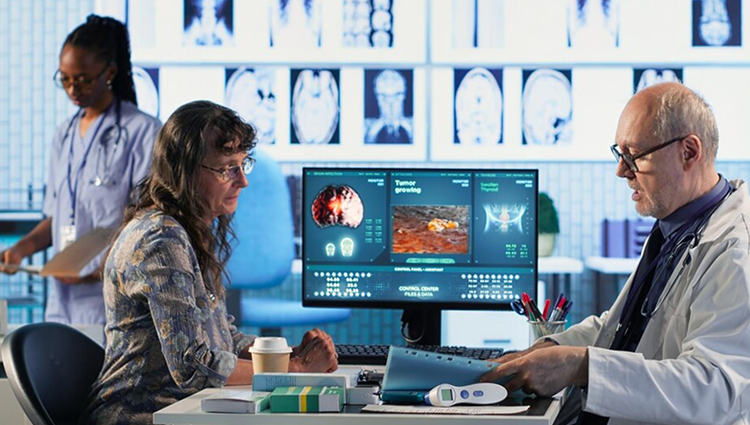
Medical imaging has come a long way from traditional X-rays and ultrasounds. Today, emerging technologies are transforming diagnostics and visualization, enabling healthcare professionals to detect diseases earlier, plan treatments more accurately, and improve patient outcomes. These innovations are not only enhancing image quality but also providing deeper insights into the human body in ways that were once unimaginable.
One of the most promising advancements is 3D and 4D imaging. Unlike conventional 2D scans, 3D imaging provides a three-dimensional view of organs and tissues, offering better clarity and precision. 4D imaging adds the element of time, allowing doctors to observe organs in motion, such as a beating heart or blood flow dynamics, which is particularly useful in cardiology and prenatal care.
Artificial Intelligence (AI) and machine learning are revolutionizing medical imaging by assisting in image analysis and interpretation. AI algorithms can detect patterns, highlight anomalies, and even predict disease progression with remarkable accuracy. This reduces human error, speeds up diagnosis, and supports clinicians in making informed decisions.
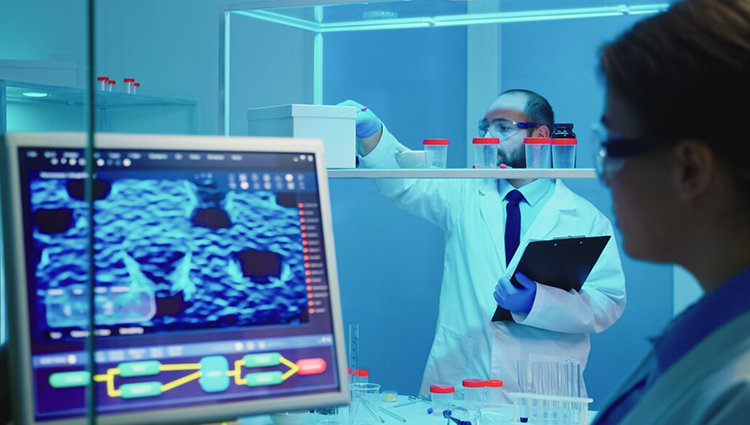
Another notable advancement is molecular imaging. This technology allows visualization at the cellular and molecular levels, enabling early detection of conditions such as cancer or neurological disorders before structural changes occur. Techniques like PET (Positron Emission Tomography) and SPECT (Single Photon Emission Computed Tomography) are now more sophisticated, offering greater precision and insight into disease processes.
Portable and wearable imaging devices are also gaining popularity. Compact ultrasound machines and handheld scanners allow for point-of-care diagnostics in remote locations, emergency situations, and even at home. These devices improve accessibility and reduce the need for patients to visit hospitals for routine imaging.
Lastly, fusion imaging combines multiple imaging modalities, such as CT and MRI, to create comprehensive and detailed visualizations. By integrating structural and functional information, fusion imaging provides a more complete understanding of complex medical conditions, aiding in treatment planning and surgical interventions.
In conclusion, emerging technologies in medical imaging are reshaping the landscape of healthcare. From AI-assisted analysis and 3D visualization to molecular and portable imaging, these advancements are enhancing diagnostic accuracy, improving patient care, and paving the way for personalized medicine. As these technologies continue to evolve, the future of medical imaging promises even greater precision, efficiency, and life-saving insights.